Dr. Supriya Mahajan

Uncategorized

Couple observing pregnancy test

Fertility Treatment in Thane: Explained Available Options

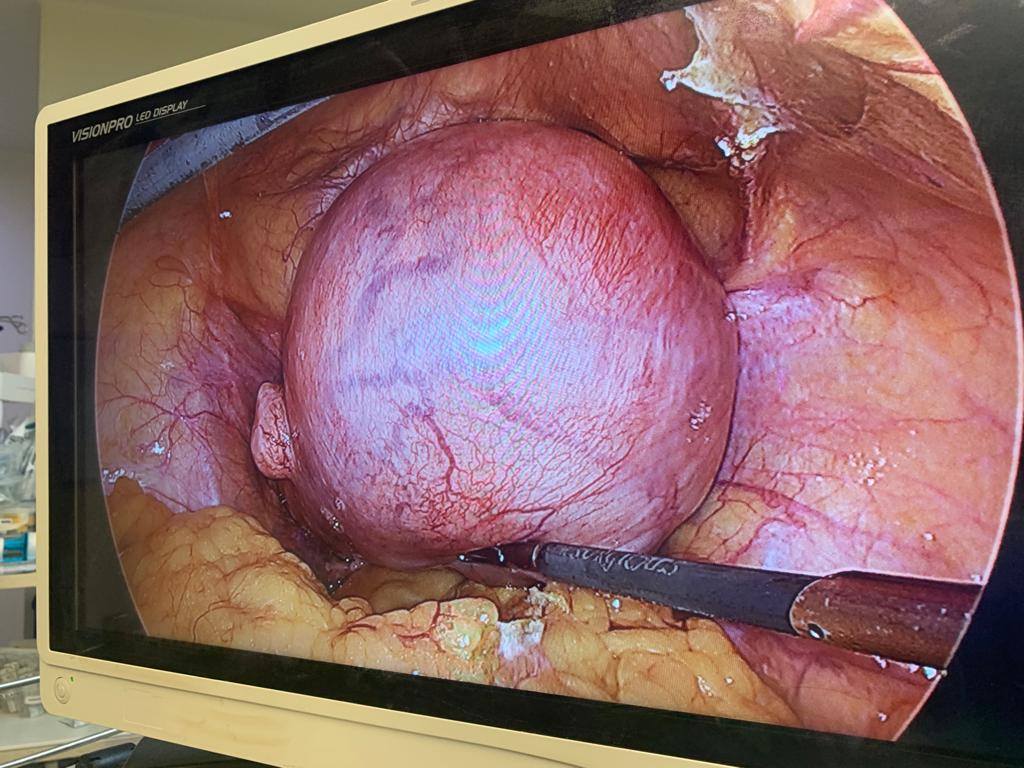
Introduction: When you dream of starting a family, every month can feel like a rollercoaster. I get it. Some days you’re hopeful. Other days, the uncertainty feels heavy. Every “maybe this time” can turn into “not yet” so quickly. You’re not alone. In fact, so many couples feel this same mix of hope and worry. That’s where Fertility Treatment in Thane steps in. Sometimes, your body just needs a little help. Other times, you need more answers and support. Early talks with a fertility specialist make a huge difference. You save time, you get clear options, and you know you’re not wasting precious months. Just like you’d ask an expert for your car or finances, you deserve that same care for your family dreams. Let’s walk through the different treatments, so you know what’s possible and feel ready for the next step. Basic Fertility Treatment: i. Ovulation Induction (OI) Ovulation Induction means helping your body release eggs. Sometimes, your eggs do not mature or release on time. With OI, you take simple medicines. These medicines help your ovaries work better. Your doctor checks your progress with scans. You may feel like you’re just taking a daily vitamin. But every pill helps your body get ready. OI is great if you have irregular periods or do not ovulate every month. It’s simple, safe, and often the first step. Many women get pregnant with just this extra nudge. Always talk to your doctor about the right dose for you. ii. Intrauterine Insemination (IUI) Intrauterine Insemination, or IUI, means placing sperm directly inside your uterus. This gives the sperm a head start. Your doctor washes and prepares the sperm first. Then, using a thin tube, the sperm goes right where it needs to be. You feel like you’re at a regular clinic visit. It’s quick and almost painless. IUI works best if your partner’s sperm needs help reaching the egg, or if you have unexplained infertility. Sometimes, OI and IUI work together. You get more chances this way. It’s simple and helps many couples take that next hopeful step. Advanced ART Fertility Treatment: i. In Vitro Fertilisation (IVF) IVF means making an embryo outside your body. First, your doctor gives you medicines to grow more eggs. Then, they collect your eggs safely. Next, sperm meets egg in a lab dish. After a few days, a healthy embryo goes into your uterus. It’s a step-by-step process. IVF helps if your tubes are blocked, or if you tried other treatments first. It’s also useful if your partner’s sperm is weak. Many couples feel nervous at first. But every step is planned with care. IVF gives you a real chance at parenthood. ii. Intracytoplasmic Sperm Injection (ICSI) ICSI is a special form of IVF. In this, one sperm is injected directly into one egg. This helps when sperm can’t swim well or are low in number. Your doctor chooses the best sperm under a microscope. It’s a tiny, careful process. You follow the same steps as IVF to get your eggs ready. ICSI helps if your partner’s sperm has problems. It also helps if you had failed IVF cycles before. ICSI gives hope to many couples. It’s a trusted option.   iii. Frozen Embryo Transfer (FET) FET means using a frozen embryo from a past IVF cycle. Your doctor thaws the embryo and puts it in your uterus. You do not need to repeat all the steps of IVF again. This is simple and less stressful. FET is helpful if you already have embryos stored. It also lets you plan the timing. You get another chance without starting from zero. Many couples like this flexible option. iv. Donor Eggs or Sperm Sometimes, you need eggs or sperm from a donor. This happens if your own eggs or sperm do not work well. Doctors match you with a healthy donor. All donors are screened for safety. You still carry the baby and experience pregnancy. Many couples choose this path. It’s common when you have low ovarian reserve or genetic issues. This option brings hope when other ways do not work. v. In Vitro Maturation (IVM) IVM is a new method. Here, doctors collect eggs before they fully mature. The eggs mature in the lab. Then, sperm is added, like in IVF. IVM is less stressful for your body. You need fewer medicines. It’s useful if you have PCOS or a risk of OHSS. IVM gives you another way to become a parent. It’s quick, gentle, and growing in popularity. Always ask your doctor if IVM is right for you. Surgical and Other Fertility Treatment: i. Laparoscopy in Fertility Treatment  Laparoscopy is a minor surgery using a thin camera. Your doctor checks your uterus, tubes, and ovaries. This helps find and treat problems like cysts or endometriosis. You get small cuts, not big scars. Recovery is quick. You may leave the hospital the same day. If you have pain, irregular cycles, or unexplained infertility, laparoscopy gives answers. Sometimes, a simple fix during the surgery can boost your chances. Think of it as a gentle peek inside to help you move forward. ii. Hysteroscopy in Fertility Treatment  Hysteroscopy means looking inside your uterus with a thin tube. Your doctor can see and remove polyps, scar tissue, or small fibroids. You stay awake or get mild anaesthesia. It feels like a long check-up, not a big surgery. If you have heavy bleeding or repeated miscarriages, hysteroscopy helps find the cause. This quick procedure often solves problems that block pregnancy. You get answers and treatment in one go. iii. Cryopreservation (Embryo Freezing) Cryopreservation means freezing your embryos for future use. After IVF, not all embryos are used right away. The extras are frozen safely. Later, you can use them when you’re ready. This saves you from starting IVF again. If you face health issues or need a break, embryo freezing gives options. Many couples like this backup plan. It’s simple, safe, and keeps your dreams alive. iv. Surrogacy for Fertility

Fertility Treatment in Thane: Explained Available Options Read More »

What is IVF Treatment? A Complete Guide to In Vitro Fertilization

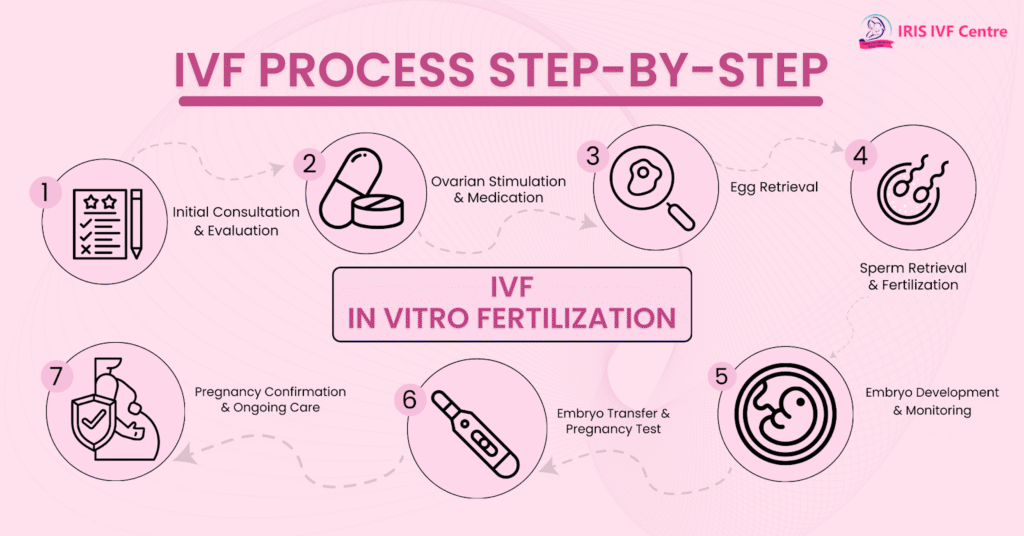
For many couples and individuals dreaming of starting a family, the journey to parenthood isn’t always straightforward. Infertility affects millions worldwide, but thanks to advancements in medical science, there are now many ways to overcome it. One of the most well-known and effective methods is IVF treatment — short for In Vitro Fertilization. In this blog post, we’ll explain what IVF is, how it works, who it’s for, and what to expect throughout the process. What is IVF? In Vitro Fertilization (IVF) is a type of assisted reproductive technology (ART). It involves retrieving a woman’s eggs and fertilizing them with sperm outside the body in a laboratory. Once fertilized, the embryos are monitored and then one (or more) is transferred into the woman’s uterus in hopes of achieving a successful pregnancy. The term “in vitro” literally means “in glass,” referring to the laboratory dish where fertilization takes place. Who Can Benefit From IVF? IVF is commonly recommended for: Women with blocked or damaged fallopian tubes   Ovulation disorders or premature ovarian failure   Endometriosis   Male factor infertility (e.g., low sperm count or motility)   Unexplained infertility   Couples who haven’t had success with other fertility treatments   Same-sex couples or single parents using donor eggs/sperm Step-by-Step: How IVF Works Ovarian Stimulation: The woman receives hormone injections to stimulate the ovaries to produce multiple mature eggs instead of the usual one per cycle. Egg Retrieval: When the eggs are ready, they’re collected from the ovaries using a minor surgical procedure under ultrasound guidance. Sperm Collection: A sperm sample is provided by the partner or donor. Fertilization in the Lab: The eggs are combined with sperm in a petri dish. Sometimes, a single sperm is injected directly into the egg (a method known as ICSI – Intracytoplasmic Sperm Injection). Embryo Culture: The fertilized eggs (now embryos) are monitored for a few days (usually 3 to 5) as they grow. Embryo Transfer: One or more healthy embryos are selected and transferred into the woman’s uterus. Pregnancy Test: After about two weeks, a blood test is done to determine if implantation was successful and if pregnancy has occurred.

What is IVF Treatment? A Complete Guide to In Vitro Fertilization Read More »

Call Now Button